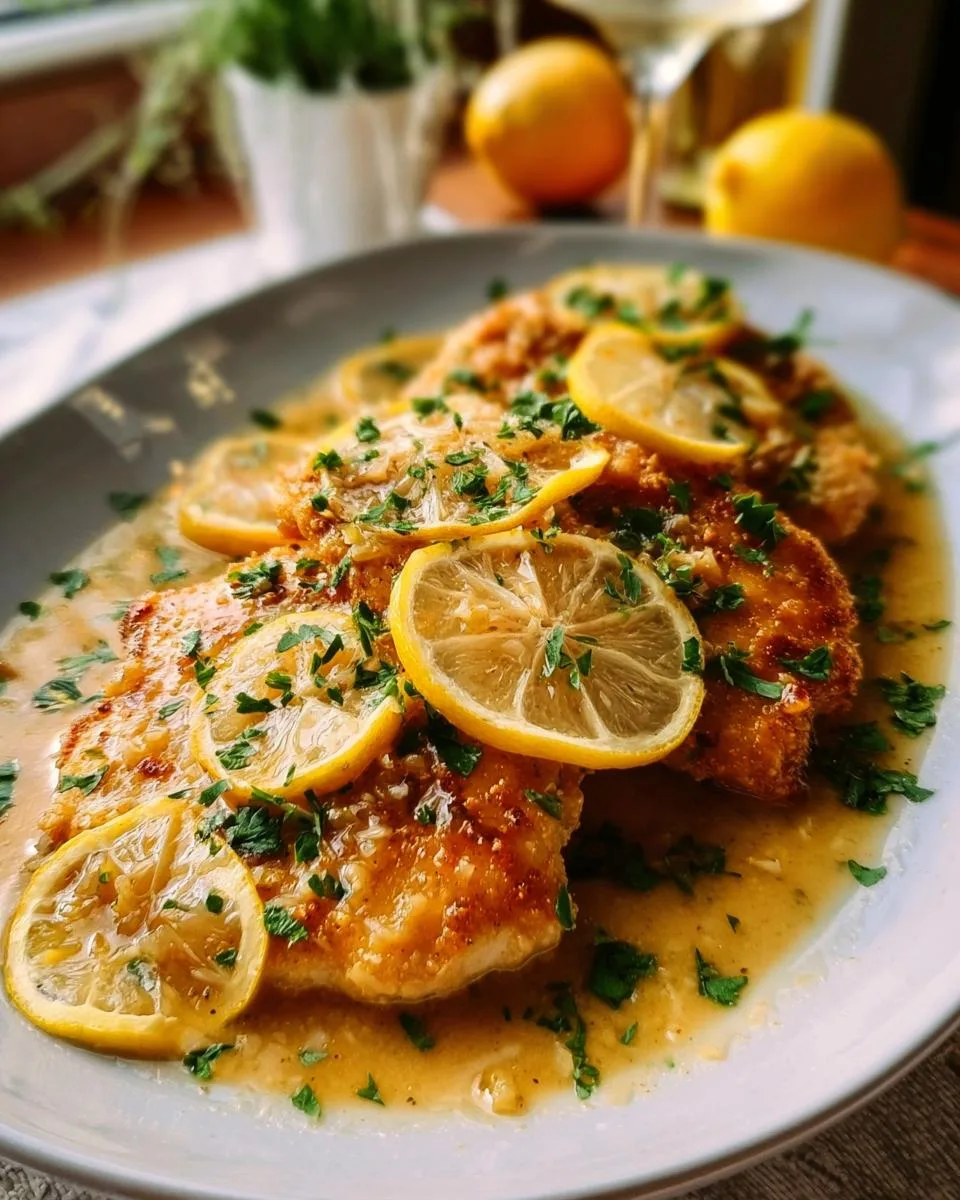
Ever wish you could make a restaurant-style dinner at home in under an hour? This classic Chicken Francese recipe is your answer. It delivers golden, tender chicken bathed in a bright lemon butter sauce with deceptively simple steps.
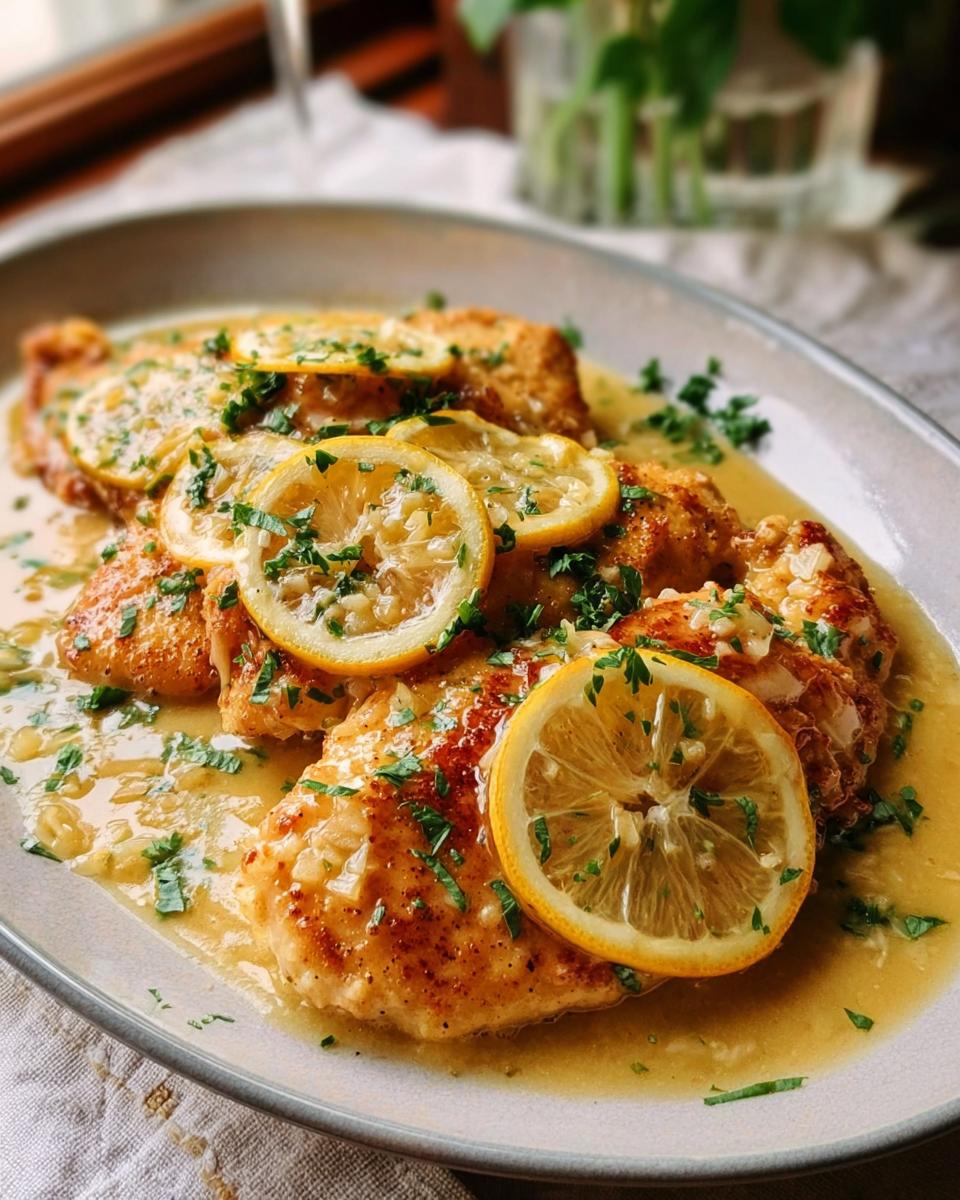
I first made this for a busy weeknight, hoping to impress my family without a fuss. The moment that fragrant lemon and wine sauce hit the pan, I knew it was a keeper. The secret to perfect Chicken Francese isn’t complicated, it’s about a few smart techniques for maximum flavor.
Let’s walk through the recipe together. Here’s how to create this elegant, easy dinner that feels like a hug on a plate.
Table of Contents
Why You’ll Love This Chicken Francese
This isn’t just another chicken recipe. It’s your new secret weapon for a meal that looks fancy but comes together with ease. After years of testing in my own kitchen, I can promise this method works every single time.
- Elegant Yet Easy: You get restaurant-quality golden chicken and a glossy lemon sauce without any chef skills. The process is simple and forgiving.
- Perfect Weeknight Solution: From start to finish, you’re only 45 minutes away from dinner. The steps are straightforward, making it ideal for a busy evening.
- Flavor Balance: The sauce is pure magic. Fresh lemon juice adds a bright, zesty punch that cuts through the rich, savory depth of the chicken broth and melted butter. It’s a perfect harmony in every bite.
- Versatile and Family-Friendly: My kids clean their plates when I make this. It pleases everyone and pairs with almost any side, from pasta to a simple salad.
- Texture Perfection: Coating the chicken in flour first, then egg, creates a uniquely tender crust. It stays beautifully golden and soaks up the sauce without getting soggy.
This Chicken Francese recipe turns simple ingredients into something truly special. It’s a guaranteed win for your dinner table.
Ingredients You’ll Need
Gathering your ingredients is the first step to a fantastic meal. These simple, everyday items transform into something truly special in your skillet.
- For the Chicken:
- 3 boneless, skinless chicken breasts: You’ll pound these to an even 1/2-inch thickness. This is the most important step for tender, evenly cooked cutlets.
- 1 teaspoon salt, divided: I prefer kosher salt. We’ll use some for seasoning the flour and some directly on the chicken.
- 1/2 teaspoon black pepper, divided: Freshly ground pepper gives the best flavor.
- For the Dredging Station:
- 2/3 cup all-purpose flour: This creates the initial layer for our signature coating.
- 2 large eggs + 2 tablespoons water: Whisking the eggs with water makes a lighter, more even egg wash that fries up beautifully.
- For the Sauce:
- 1/4 cup olive oil: This is for frying. A good, neutral olive oil works perfectly.
- 1/2 lemon, thinly sliced: These cook right in the sauce, becoming soft and infusing every bite with lemon flavor.
- 4 cloves garlic, minced: Fresh garlic is a must for that aromatic base.
- 1/2 cup dry white grape juice or white wine: A dry white wine like Sauvignon Blanc adds wonderful depth. If you prefer not to use wine, substitute with an equal amount of extra chicken broth mixed with a teaspoon of fresh lemon juice.
- 1 cup low-sodium chicken broth: Using a good quality broth makes a cleaner, more savory sauce.
- Juice of 1/2 lemon: Always use fresh juice here. It provides the bright, zesty punch that defines the dish.
- 2 tablespoons unsalted butter: Whisked in at the end, it creates a rich, glossy sauce that clings to the chicken.
- 1/4 cup fresh parsley, chopped: The fresh garnish adds a pop of color and a clean, herby finish.
With everything measured and ready, you’re set for success. Let’s start cooking.
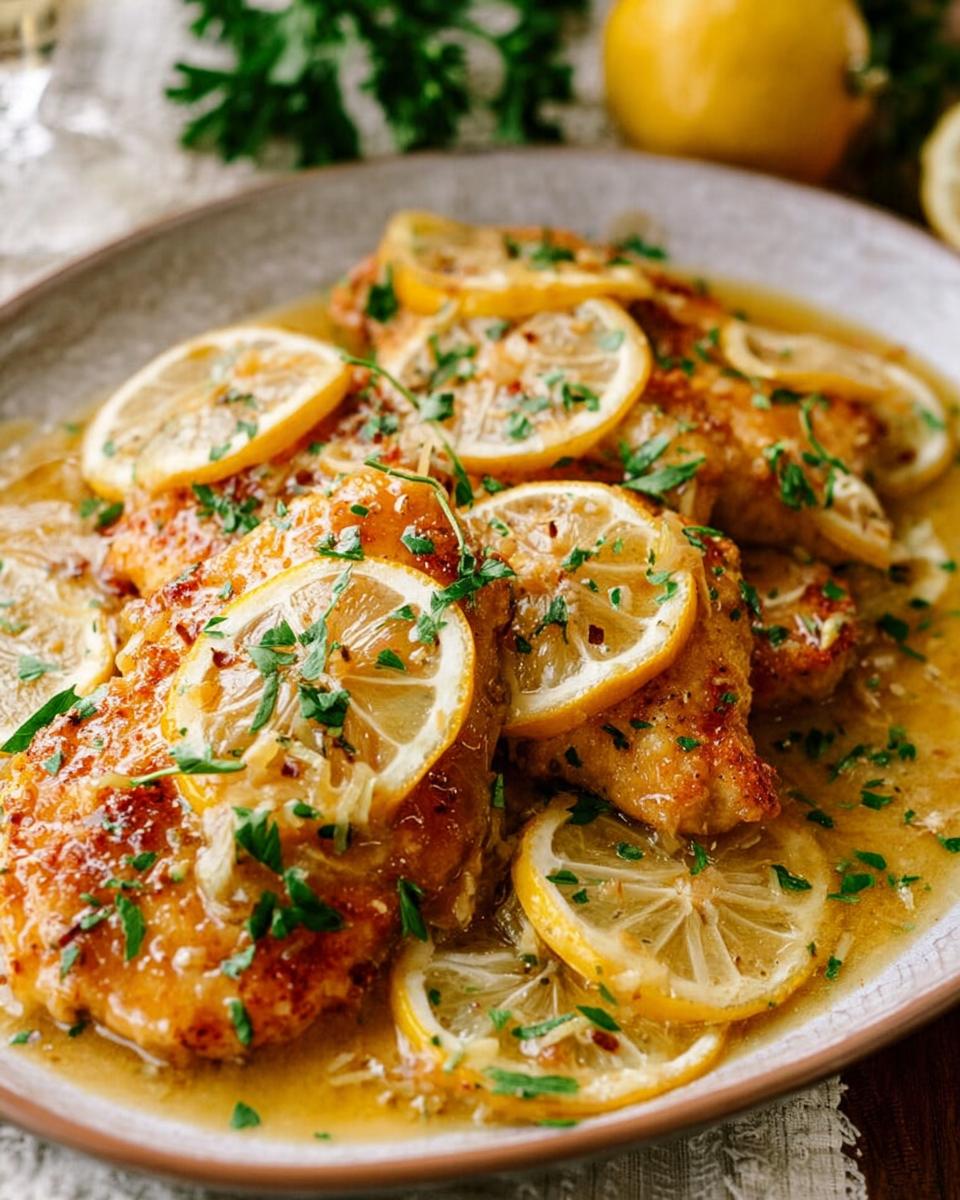
How to Make Chicken Francese
Let’s get cooking. Follow these simple steps and you’ll have a beautiful, restaurant-worthy dish in no time. I’ll walk you through each part, just like I’m right there with you in your kitchen.
Step 1: Prepare the Chicken and Dredging Station
First, let’s get our chicken ready. Place each chicken breast between two sheets of plastic wrap. Use a meat mallet, a heavy skillet, or even a rolling pin to gently pound them to an even 1/2-inch thickness. This step is non-negotiable. It ensures every piece cooks at the same rate, so you get tender chicken all the way through, no dry edges.
Now, set up your assembly line. In one shallow dish, mix the flour with 1/2 teaspoon of salt and 1/4 teaspoon of pepper. In a second dish, whisk the eggs and water together until smooth. Having everything ready makes the process clean and fast.
Step 2: Dredge and Coat the Chicken
Season both sides of your pounded chicken with the remaining salt and pepper. Working with one piece at a time, coat it in the seasoned flour. Shake it gently over the dish to remove any big clumps. You want a light, even dusting.
Next, dip the floured chicken into the egg wash. Let any excess drip back into the bowl. The key here is a light touch. Pressing the chicken into the flour or not shaking it off can lead to a gummy, thick coating. A gentle dredge gives you that perfect, tender crust.
Step 3: Pan-Fry to Golden Perfection
Heat the olive oil in a large skillet over medium-high heat. Let it get hot until it shimmers. You can test it by flicking a tiny bit of flour into the oil. If it sizzles immediately, you’re ready.
Carefully add the chicken to the hot oil. Do not crowd the pan. If all the pieces don’t fit comfortably, cook them in two batches. Crowding drops the temperature and makes the chicken steam instead of fry. Cook for about 4 minutes per side. You’re looking for a deep, golden brown crust. The chicken is done when it reaches an internal temperature of 165°F. Transfer the cooked cutlets to a clean plate.
Step 4: Build the Lemon Wine Sauce
In the same skillet, add the thin lemon slices. Cook them for about 1 to 2 minutes. They will become fragrant and start to soften slightly. Now, stir in the minced garlic. Cook it for just 30 to 60 seconds until you smell its aroma. Be careful not to let the garlic burn, or it will turn bitter.
Pour in your white wine or juice and the chicken broth. Use your spoon to scrape up all those delicious browned bits from the bottom of the pan. This “fond” is packed with flavor. Bring the liquid to a lively simmer and let it cook for 5 minutes. This reduces the sauce slightly and lets all the wonderful flavors come together.
Step 5: Finish and Serve Your Chicken Francese
Reduce the heat to medium-low. Whisk the cold butter into the sauce until it melts completely. This is called mounting with butter, and it creates a rich, glossy sauce that clings to your chicken.
Nestle the cooked chicken cutlets back into the skillet. Spoon the sauce and lemon slices over the top. Let everything simmer together gently for 2 minutes. This just reheats the chicken and lets it soak up the sauce. Avoid letting it boil, as that can toughen the meat.
Remove the skillet from the heat. Sprinkle the freshly chopped parsley all over the top. Your stunning Chicken Francese is ready to serve.
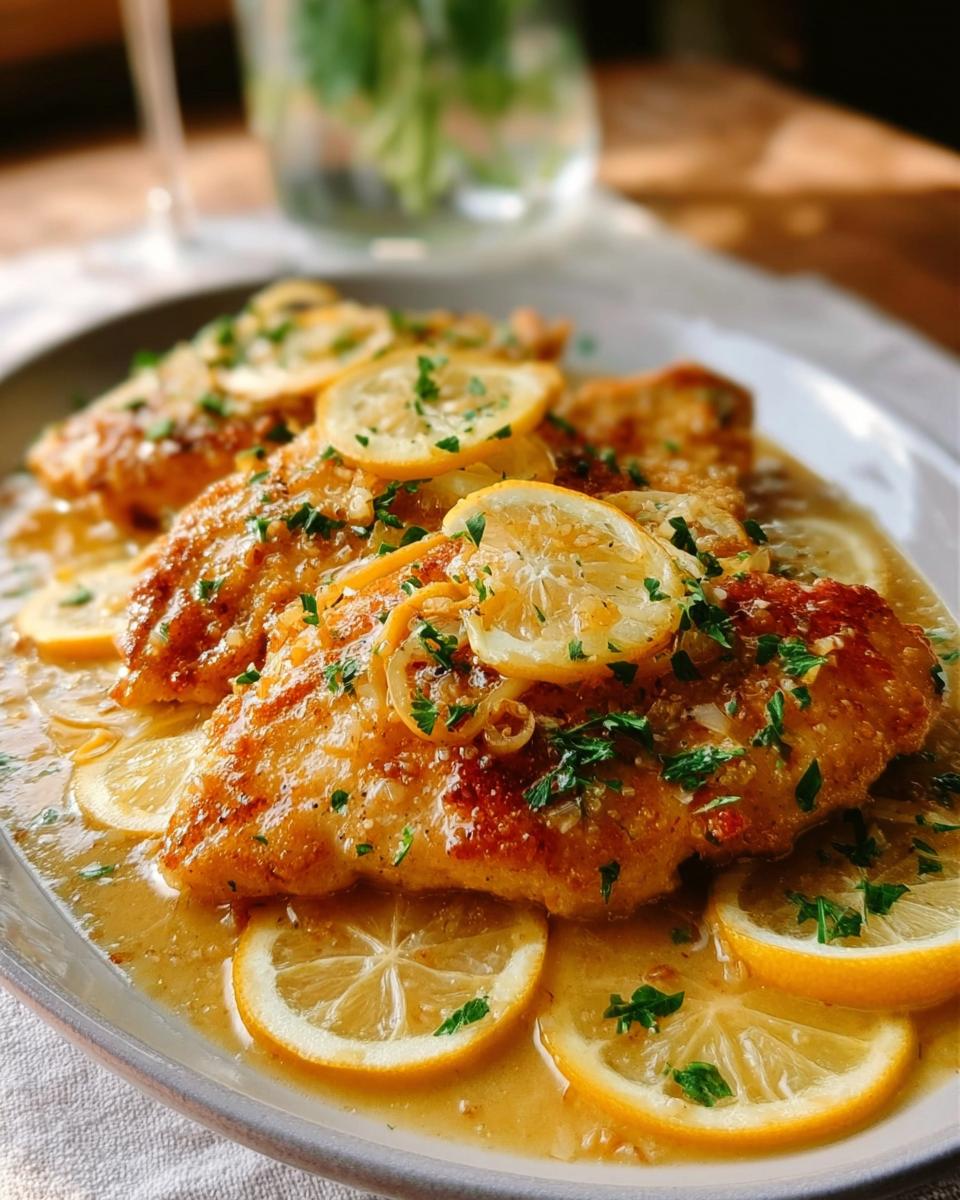
Pro Tips for the Best Chicken Francese
After making this dish dozens of times, I’ve learned a few secrets that take it from good to absolutely incredible. These simple tips guarantee perfect results every single time.
- Pound Evenly: Consistent thickness is your best friend. Use a meat mallet, a heavy skillet, or even a rolling pin. Aim for that even 1/2-inch all around. This is the single biggest factor in preventing dry spots.
- Manage Your Pan Heat: Getting the oil temperature right is key. If the oil smokes, it’s too hot and will burn the coating. If the chicken soaks up oil without browning, it’s not hot enough. You want a steady, gentle sizzle when the chicken hits the pan.
- Don’t Skip the Fond: Those delicious browned bits stuck to the pan after frying are pure flavor. When you add the wine and broth, scrape the pan bottom thoroughly. This deglazing step builds a deeply savory sauce.
- Use Fresh Lemon Juice: This is my non-negotiable tip. Bottled juice can have a metallic or dull taste. Squeezing a fresh lemon gives the sauce the bright, vibrant acidity that makes Chicken Francese so special.
- Rest Your Chicken: After frying, let the chicken sit on the plate for 3-4 minutes before adding it back to the sauce. This lets the juices settle, so they don’t all run out into the pan, keeping the meat extra tender.
Follow these easy tips and you’ll master this classic dish. Your family will think you ordered takeout from a fancy Italian restaurant.
Common Mistakes to Avoid
We’ve all been there. A few small missteps can change a great dish. Don’t worry, I’ve made these mistakes so you don’t have to. Here’s how to spot and fix the most common ones for perfect Chicken Francese.
- Skipping the Pound. WHY: Uneven chicken cooks unevenly, leading to dry edges and undercooked centers. HOW: Take the extra five minutes to pound each piece to a consistent 1/2-inch thickness. It makes all the difference for tender meat.
- A Gummy, Thick Coating. WHY: Pressing the chicken into the flour or not shaking off the excess creates a pasty, doughy layer. HOW: Use a light hand. Dredge, then gently shake off the extra flour before dipping in the egg wash for a tender crust.
- Overcrowding the Pan. WHY: This drops the oil temperature fast. The chicken steams in its own moisture and becomes soggy instead of golden. HOW: Cook in batches. Giving each piece space is actually faster for getting that perfect crisp fry.
- Boiling the Finished Dish. WHY: Returning the chicken to a rapidly boiling sauce will overcook it. The meat can become tough and chewy. HOW: Keep the sauce at a gentle, lazy simmer when you add the chicken back. You just want to warm it through.
Don’t panic if you make a mistake. Cooking is a learning process. Just remember these tips next time for a flawless meal.
Delicious Variations
The beauty of this Chicken Francese recipe is its flexibility. Once you master the classic, try one of these easy twists to keep dinner exciting. Each variation uses the same simple technique for a whole new flavor.
- Chicken Piccata: Love a tangy, salty bite? Add 2 tablespoons of drained capers to the sauce when you stir in the fresh lemon juice. It creates that classic, briny flavor everyone loves.
- Creamy Chicken Francese: For a richer, velvety sauce, stir in 1/4 cup of heavy cream or half-and-half right after you whisk in the butter. Let it simmer for one minute until the sauce is smooth and luxurious.
- Herb-Infused: Add an aromatic layer with fresh herbs. Stir a teaspoon of chopped fresh thyme or oregano into the pan with the minced garlic. It fills your kitchen with an incredible smell.
- Protein Swap: This method isn’t just for chicken! It works perfectly with thin pork cutlets or firm white fish like cod or tilapia. For fish, reduce the initial fry time to about 3 minutes per side, just until the coating is golden and the fish flakes easily.
Do not be afraid to make this recipe your own. Cooking should be fun, and these small changes can create a brand new favorite meal.
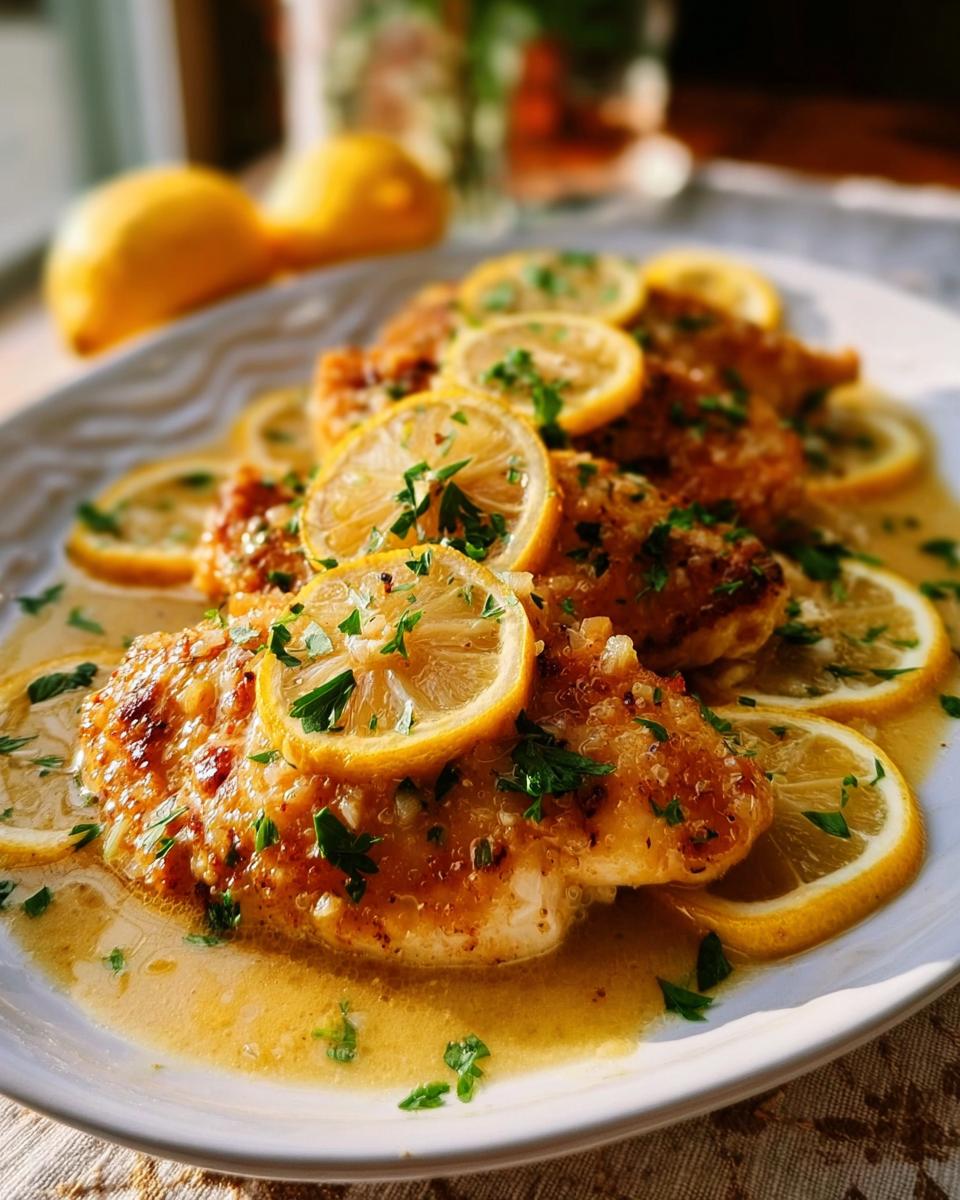
Serving Suggestions
This Chicken Francese is a complete meal on its own, but pairing it with the right side turns dinner into an event. Here are my favorite ways to serve it, from cozy nights to fancy gatherings.
Classic Comfort: For the ultimate cozy meal, serve it over a bed of angel hair pasta or a big scoop of creamy mashed potatoes. They soak up every last drop of that lemony sauce, making sure you get every bit of flavor. This is my go-to for a comforting Sunday dinner with the family.
Light & Fresh: If you want something brighter, pair it with a simple arugula salad tossed in lemon vinaigrette. Add a side of roasted asparagus or green beans. The fresh, peppery greens balance the rich sauce perfectly for a well-rounded meal.
Dinner Party Elegance: This dish shines for company. Plate it alongside some warm, crusty garlic bread for dipping and pour a glass of the same crisp white wine you used in the sauce. It feels luxurious but is so easy to pull off.
Speedy Weeknight: On a busy evening, keep it super simple. A pot of steamed white rice and some quick steamed broccoli or green beans are all you need. You’ll have a delicious, satisfying dinner on the table right on time.
FAQs About Chicken Francese
What’s the difference between Chicken Francese and Chicken Piccata?
The main difference is in the coating and the sauce. Chicken Francese uses a flour-then-egg dredge for a tender, golden crust and a smooth lemon-butter-wine sauce. Chicken Piccata is dredged in flour only for a crisper crust, and its signature sauce includes briny capers for a tangy punch.
Can I make Chicken Francese ahead of time?
You can prep the chicken ahead to save time. Pound and season the cutlets up to a day in advance, storing them covered in the fridge. For the best texture and flavor, I recommend cooking the dish fresh. Leftovers reheat beautifully in a covered skillet over low heat.
What can I use instead of white wine?
No wine? No problem. Use an equal amount of extra low-sodium chicken broth. To mimic the wine’s acidity, stir in one teaspoon of fresh lemon juice or white wine vinegar before you simmer the sauce.
How do I know when the chicken is done cooking?
The best way is to use a meat thermometer. The chicken is perfectly done when it reaches an internal temperature of 165°F in the thickest part. Visually, the crust should be a deep golden brown and the meat should feel firm to the touch.
How many calories are in Chicken Francese?
One serving of this recipe is approximately 282 calories. Please remember, all nutritional values are estimates. The final count depends on the specific brands and exact portions of ingredients you use in your own kitchen.
Time to Make Your Own Restaurant Classic
You now have all the secrets to make a beautiful Chicken Francese right in your kitchen. Forget waiting for a table at a restaurant. In less than an hour, you can have golden, tender chicken draped in that bright, lemony sauce. It’s faster than takeout and tastes infinitely better because you made it.
I truly hope this recipe brings as much joy to your table as it does to mine. Cooking this dish feels like a small celebration. I love hearing from you. Did your family gobble it up? Did you try a fun variation? Leave a comment below and tell me all about it. For more easy, family-friendly dinners that feel like a treat, come find me on Pinterest. Now, go warm up that skillet and get cooking.
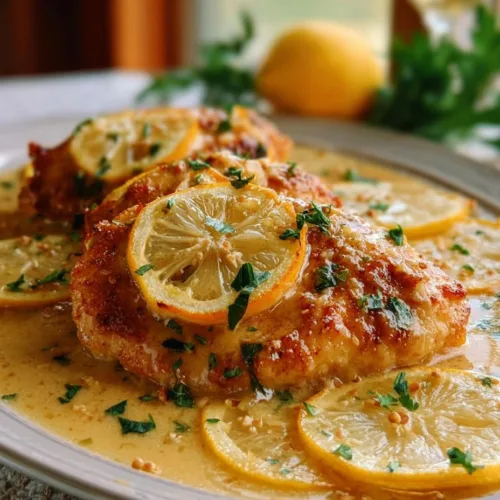
Chicken Francese
Equipment
- Large skillet
- Meat mallet or rolling pin
- Shallow dishes
Ingredients
- 3 boneless, skinless chicken breasts, halved horizontally and pounded to 1/2 inch thickness
- ⅔ cup all-purpose flour
- 1 teaspoon salt, divided
- ½ teaspoon black pepper, divided
- 2 large eggs
- 2 tablespoons water
- ¼ cup olive oil
- ½ lemon, thinly sliced
- 4 cloves garlic, minced
- ½ cup dry white grape juice or white wine alternative
- 1 cup low-sodium chicken broth
- Juice of 1/2 lemon
- 2 tablespoons unsalted butter
- ¼ cup fresh parsley, chopped
Instructions
- Prepare your chicken breasts by pounding them to an even 1/2 inch thickness. This ensures they cook evenly. In a shallow dish, combine the flour with 1/2 teaspoon of salt and 1/4 teaspoon of pepper. In another shallow dish, whisk together the eggs and water.
- Season the pounded chicken breasts on both sides with the remaining salt and pepper. Dredge each chicken cutlet in the seasoned flour, shaking off any excess. Then, dip each floured cutlet into the egg mixture, letting any extra drip back into the dish.
- Heat the olive oil in a large skillet over medium-high heat. Carefully place the coated chicken cutlets into the hot oil and fry for about 4 minutes per side, until golden brown and cooked through. Remove the chicken from the skillet and set aside on a plate.
- Add the thinly sliced lemon to the skillet and cook for about 1 to 2 minutes, until they begin to soften and become fragrant. Stir in the minced garlic and cook for another minute until fragrant.
- Pour in the white grape juice (or alternative) and chicken broth. Bring to a simmer and cook for about 5 minutes, stirring occasionally, until the sauce has reduced slightly. This allows the flavors to meld and deepen.
- Reduce the heat to medium low and whisk in the butter until it melts into the sauce, creating a smooth, glossy finish.
- Return the cooked chicken cutlets to the skillet, nestling them into the sauce. Spoon some of the sauce and lemon slices over the chicken. Simmer gently for 2 minutes to heat the chicken through.
- Garnish generously with fresh chopped parsley before serving.